
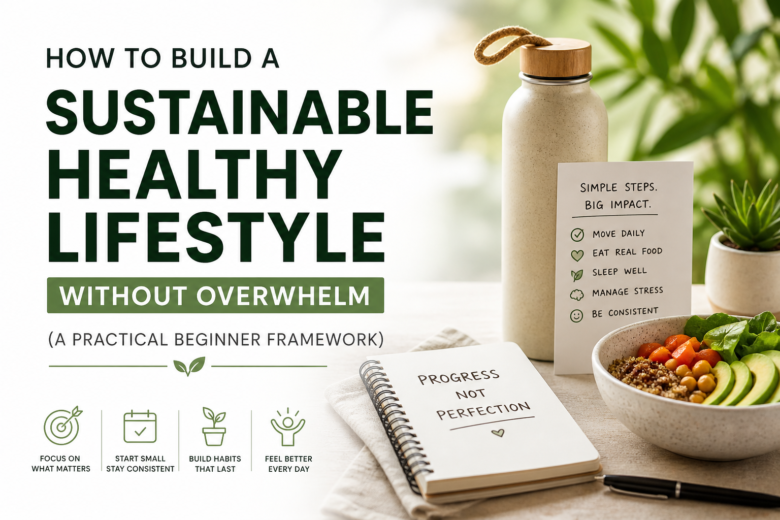
Creating a healthy lifestyle sounds simple, but putting it into practice can be overwhelming. Many people begin with enthusiasm, set ambitious goals, and try to change every aspect of their lives at once. They might make good progress for a few days or weeks, but eventually, it becomes difficult to sustain. Eventually, they give up …

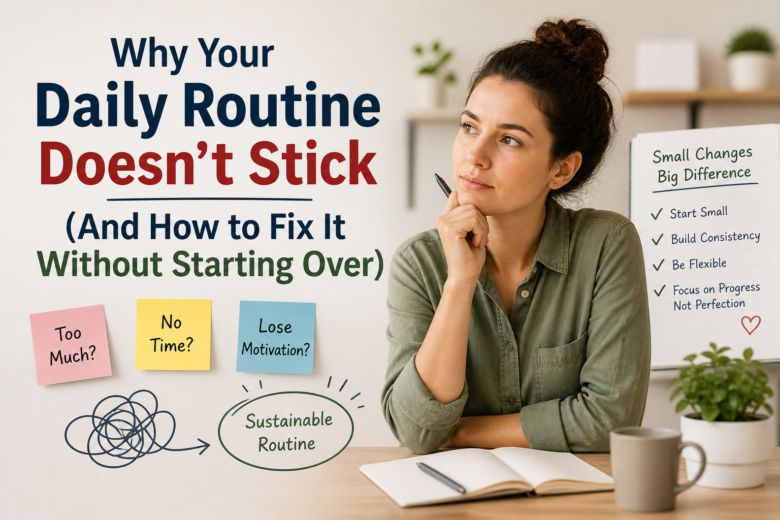
For many people, developing a good habit isn’t difficult. The challenge lies in sticking with it. You’ve likely experienced this scenario before: you create a well-thought-out plan with clear goals, and perhaps you even stick to it for a few days. But then, everything changes. A busy day, low energy, or even a minor distraction …

Healthy eating is often presented as a rigid system—complete with rules to follow, foods to avoid, and goals to achieve. While this strategy currently works for many, it is difficult to sustain strict dietary rules over the long term. It requires significant planning, effort, and self-discipline—something that is not always feasible in practice. A more …
There was a point when I didn’t even realize my focus was breaking down—I just felt constantly “busy” but not productive. I would jump between tasks, check my phone repeatedly, and still end the day feeling mentally drained without much to show for it. At first, I thought I needed better time management or productivity …
For a long time, I used to think that getting enough protein every day required a carefully planned diet, strict meal prep routines, or expensive “fitness-style” food plans. But in real life, that approach rarely lasts. Work gets busy, routines change, and meals become more about convenience than planning. Over time, I started noticing a …
Living in a small apartment often comes with a common assumption: there isn’t enough space to exercise properly. I used to think the same way. The idea of fitness always felt connected to gyms, equipment, or large open areas. But over time, I realized that consistency matters more than space. The shift began when I …
There was a time when my mornings didn’t feel “wrong,” but they definitely felt flat. I would wake up, go through the usual routine, and still feel mentally slow for the first part of the day. Coffee helped a bit, but it didn’t really change the underlying feeling of low energy. Over time, I started …
For a long time, my mornings felt less like a fresh start and more like a rushed reaction to whatever the day demanded. The alarm would ring, and within minutes I’d be checking messages, thinking about pending tasks, and mentally preparing for work stress before even getting out of bed properly. It felt like I …
Most people associate stress with thoughts—worry, overthinking, or mental fatigue. But stress doesn’t just stay in your mind. It settles into your body. Tight shoulders, stiff neck, lower back discomfort, and even subtle restlessness are all signs that your body is carrying tension. The problem is, we often ignore these signals. We sit longer, move …
Most people think of their day in terms of work hours and personal time. But there’s a part of the day that quietly influences both—your commute. Whether it’s 15 minutes or over an hour, commute time often feels like something to “get through.” It’s either rushed, stressful, or wasted on passive scrolling. By the time …